
360 Framework:
Building a cohesive marketing plan, one piece at a time.
Most marketing advice is channel-specific (or even tool-specific) and treats your marketing like ten disconnected building blocks instead of something that interconnects.
Post more consistently.
Fix your SEO.
Rebuild your email sequence.
Use this app or tool.
The trouble is that no part of your marketing exists in a vacuum. Potential clients visit your website and check out your Instagram. Your Instagram audience uses your Link in Bio to access more information on your website. Your email marketing directs readers back to your site or to specific social media posts. And brand new people are discovering across all marketing channels every day.
Optimizing one area of your marketing without also looking at the rest is how you end up with big gaps where your potential (and existing) customers get lost.
Instead of only focusing on one platform or “hack”, I look at the whole picture with one question in mind “How does this move someone from browsing to buying?”
That's the 360 Framework. It is how I've worked for the past 15 years, because it is the best, clearest way to help a business move from where they are now to where they want to go.

What I Look At (and why)
I start with your website because it's where most of your audience ends up before they buy. It is your home base and the most important marketing asset you own.
Then I move through email and social, using data at each step.
The last thing I look at is operations: whether the systems behind your marketing can actually sustain what you're trying to do.

Website
Before I look at anything else, I want to understand your website as a visitor would - the visual experience, the navigation, how quickly the pages tell someone what you do and who it's for, and whether the path from "I'm curious" to "I want to work with you" is clear or complicated.
I'm also looking at technical parts of how your pages are structured, whether search engines can read and index them correctly, what keywords you're visible for (and which ones you're missing).
The outcome isn’t just a task list of fixes. It's a clear picture of what your website is really saying compared to what you think it is saying.

Email Marketing
Email is where I get to see how your audience is responding to what you’re sharing with your warmest audience.
I look at your list structure, your segmentation, what automations are in place and what's missing, and whether the emails you're sending are doing the work of moving someone closer to a decision.
I also look at how people are getting onto your list in the first place and whether those entry points are attracting the right audience.
For many service businesses, email is either completely underused or set-and-forgotten. Its job is to keep in touch with the people who have already said they want to hear from you.
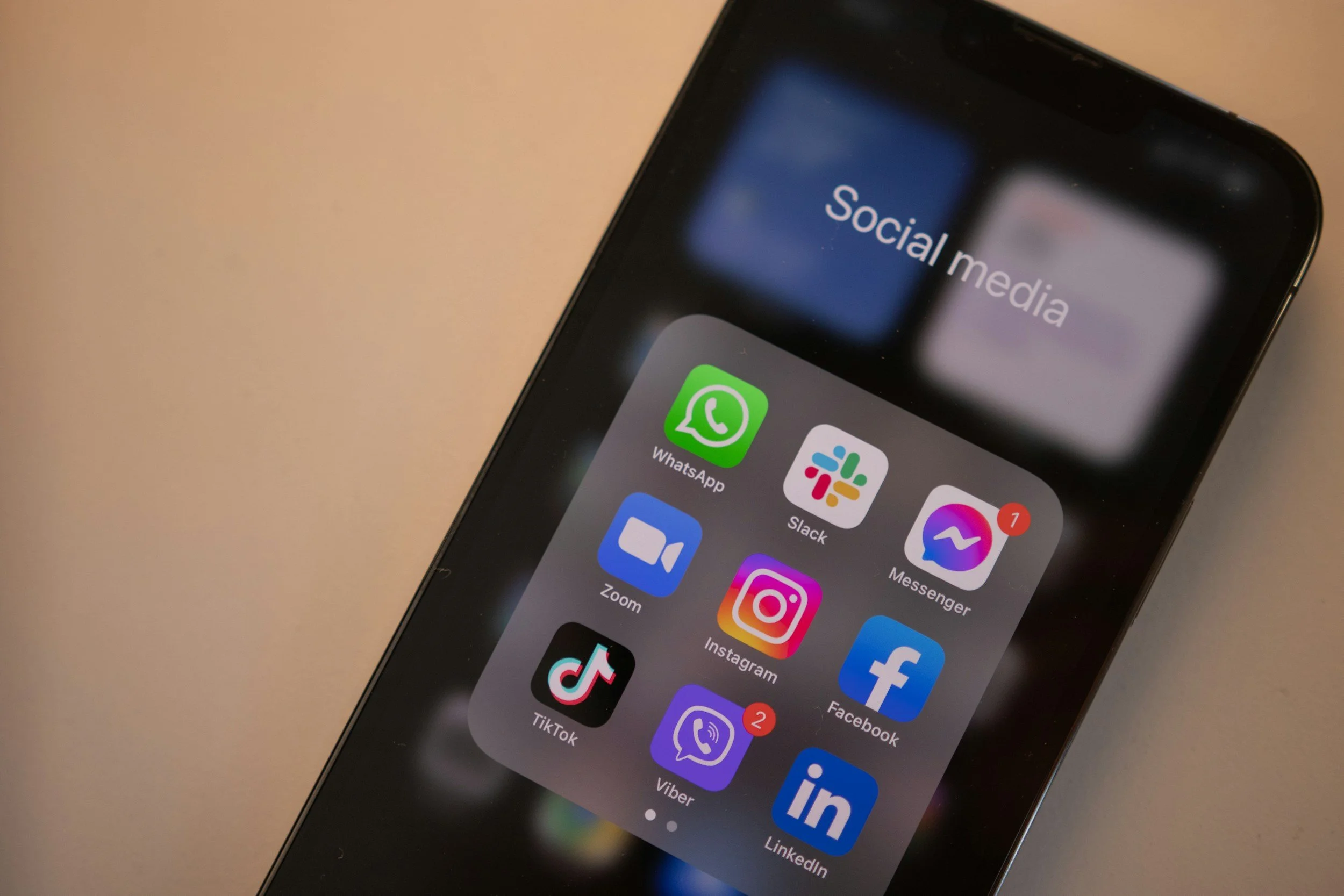
Social Media Marketing
When someone finds you for the first time on Instagram or LinkedIn (or YouTube or Pinterest), they make a split decision to either learn more or scroll past.
The visual presentation, the bio, the tone, and the content mix all factor into that in ways that go beyond basic analytics.
I look at how your social presence is functioning as a discovery and retention tool, whether the branding is consistent with the rest of your marketing, and whether the content strategy makes sense for audience and what they're looking for when they find you.

Operations & Systems
Your marketing can’t work if the systems behind it are inconsistent.
Or if they are so dependent on one person doing everything from scratch every time it all falls apart without constant monitoring.
I look at whether you have documented processes for things like launching a new offer or promoting a service, whether the tools you're using are working for you or against you, and whether your marketing is something you can sustain or are ready to hand off.
What the 360 Framework Creates
At the end of a 360 Marketing Audit, you’ll have a clear picture of what's working, what isn't, and why.
The recommendations are ranked and sequenced based on your needs and bandwidth. I’m not giving you a list of 40 random improvements with no sense of priority or reasoning behind the actions.
The shift most clients experience goes beyond strategy. They go from wasting time reacting to their marketing to feeling confident because they know what works.
Instead of chasing platforms, fixing things as they break, following advice that sounds reasonable but wasn't built for your business, they are making decisions based on a clear picture of where they are now and where they want to go.
How we can work together
The 360 Framework is the foundation of both ways I work with clients.
The 360 Marketing Plan is the full assessment plus a prioritized action plan and a 90-minute review call. You leave with a clear map and the knowledge to execute it.
The 360 Done-With-You includes everything in the Plan, and then we spend three months implementing it together.
I also work as a Fractional CMO for a limited number of clients.